Why Choose the Best Playground Equipment for Kids Safety?
Choosing the best playground equipment for kids is crucial for safety and enjoyment. According to Dr. Emily Baker, a leading expert in child development, "Safe playground equipment fosters creativity while ensuring children can explore without fear." This statement emphasizes the importance of selecting appropriate equipment to minimize risks.
Playgrounds are where children learn and grow. The right playground equipment helps them build physical skills and social connections. However, poor choices can lead to injuries. Parents and caregivers must prioritize safety features like sturdy materials and proper spacing.
Choosing playground equipment does not have to be overwhelming. There are countless options available, each with unique benefits. Still, reflecting on safety standards and installation guidance is essential. Focus on the details, and ensure every piece of equipment supports safe play. When you prioritize safety, children can thrive on the playground.
Importance of Playground Equipment in Child Development
Playground equipment plays a vital role in child development. It serves as a platform for physical, cognitive, and social skills. Statistics show that children engaging in outdoor play have improved motor skills. Physical activity through play can reduce the risk of childhood obesity. A report from the American Heart Association indicates that active play habits established in childhood can lead to healthier lifestyles in adulthood.
Moreover, safe playground equipment contributes to emotional well-being. Children learn to navigate challenges and take calculated risks. For example, climbing structures promote confidence and resilience. A study published in the Journal of Pediatric Psychology reveals that well-designed play environments reduce anxiety among children. They provide spaces for self-expression and creativity, which are crucial for emotional growth.
However, not all playgrounds achieve high safety standards. Many older facilities still lack proper surfacing, which increases the risk of injury. Reports indicate that falls are the leading cause of playground injuries. This highlights the need for regular maintenance and upgrades to existing equipment. Investing in high-quality, safe materials can provide children with the secure environment they need to thrive.
Key Safety Features to Look for in Playground Equipment
When selecting playground equipment, safety should be a top priority. Recent studies show that nearly 200,000 children visit emergency rooms annually due to playground injuries. Choosing equipment designed with essential safety features can significantly reduce these risks.
One critical safety feature to consider is the material. Equipment should be made from high-quality, durable materials, resistant to weather conditions. Look for surfaces that are soft and impact-absorbing, like rubber or mulch, which can decrease injury severity. According to the American Society for Testing and Materials (ASTM), appropriate surfacing can reduce the risk of severe injuries by up to 50%.
Tip: Regularly inspect playgrounds for potential hazards like sharp edges or loose bolts. Maintenance is vital for safety. Another important aspect is the height of the equipment. Equipment designed for different age groups ensures that children play safely without excessive risk of falling. For example, structures meant for preschoolers should not exceed three feet in height.
Choosing brightly colored equipment can enhance visibility and safety. Bright colors attract attention and can help adults supervise children more effectively. Research indicates that children are less likely to engage in risky behavior on well-supervised playground equipment.
Types of Playground Equipment and Their Safety Ratings
Choosing the right playground equipment is critical for ensuring children's safety. Different types of equipment come with varying safety ratings. Understanding these ratings can help guardians make informed decisions.
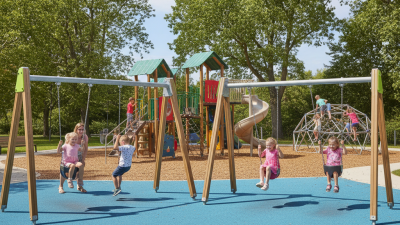
For instance, swings are a staple in playgrounds. They should have adequate padding and sturdy chains. Low safety ratings often stem from subpar materials or installation issues. On the other hand, slides should be made from durable materials and have safe height designs. Often, manufacturers provide detailed safety assessments for each item. However, not all are reliable; it's essential to check for certifications.
Climbing structures, while exciting, pose unique risks. Ensuring proper spacing and height limits can prevent injuries. Many parents may overlook these details in their excitement. Regular maintenance checks are often ignored, leading to unsafe conditions. While the thrill is important, it should never come at the expense of safety. Prioritizing quality and reliable safety ratings is crucial for a secure play environment.
Why Choose the Best Playground Equipment for Kids Safety? - Types of Playground Equipment and Their Safety Ratings
| Type of Equipment |
Safety Rating |
Recommended Age Group |
Material Used |
Typical Costs |
| Swing Set |
A+ |
2-12 years |
Wood/Metal |
$150 - $500 |
| Slide |
A |
3-10 years |
Plastic/Metal |
$100 - $300 |
| Climbing Frame |
A- |
5-12 years |
Metal/Fibre |
$200 - $600 |
| Seesaw |
B+ |
4-10 years |
Wood/Plastic |
$80 - $250 |
| Sandbox |
A |
1-6 years |
Wood/Plastic |
$50 - $150 |
Materials Used in Playground Equipment and Their Impact on Safety
When selecting playground equipment, the materials used play a critical role in children's safety. Studies show that approximately 200,000 injuries occur annually in playgrounds, with poor-quality materials contributing significantly to these accidents. The right choice of material can reduce risks and enhance a child's play experience.
Common materials include metal, wood, and plastic. Metal, while durable, can heat up in the sun and pose burn risks. Wood offers a natural feel but may splinter or rot if not treated properly. On the other hand, high-density polyethylene (HDPE) is becoming a popular choice. It's impact-resistant and does not splinter, making it safer for children. According to the American Society for Testing and Materials (ASTM), playgrounds must use materials that meet safety standards to minimize hazards.
Design also matters. Equipment should be low to the ground to prevent falls. Safety surfacing, such as rubber mats or mulch, is essential too. Research indicates that appropriate surfacing can reduce fall-related injuries by up to 80%. Schools and parks must consider both material and design to provide a safe environment for children.
Regular Maintenance and Inspections for Playground Safety
Proper maintenance and inspections of playground equipment are essential for kids' safety. Regular check-ups can prevent accidents and injuries. All equipment, from swings to slides, should be monitored closely. Weather conditions can wear down materials. Rust and fading paint may reduce safety. Regular upkeep helps identify these issues early.
Tips for effective maintenance include scheduling inspections every month. Check for sharp edges or broken parts. Document findings to track necessary repairs. Ensure all fasteners are secure; loose bolts can lead to dangerous situations. It’s important to educate caregivers on spotting potential hazards.
Pay attention to surfacing material. Appropriate surfaces can cushion falls and reduce injuries. Rubber mats or wood chips absorb shock better than concrete. If the ground material shows wear, consider replacing it. Remember, keeping playgrounds safe is a community effort. Engage with parents and children for their feedback. Their involvement makes a difference.