10 Essential Tips for Choosing the Best Playground Equipment for Kids
Choosing the right playground equipment can significantly impact children's enjoyment and safety. Parents and caregivers often face overwhelming choices. The right equipment not only encourages physical activity but also fosters social skills.
When selecting playground equipment, consider the age and developmental needs of your children. There are numerous options, from climbing structures to swings. Each piece serves a different purpose. However, quality and safety should never be compromised. Look for durable materials and proper safety features.
It is important to reflect on your specific needs. For instance, an open area may require different structures compared to a smaller space. The potential for injuries should be taken seriously, and equipment should promote safe play. Remember, the goal is to create a fun and nurturing environment for children to thrive.
Understanding the Age and Developmental Stages of Children
Choosing the right playground equipment is crucial. Understanding children's ages and developmental stages helps in this decision. For toddlers, equipment should focus on safety. It should be low to the ground and encourage simple movements. A soft surface beneath adds extra protection. Look for items that promote balance and coordination, like small climbing structures.
For preschoolers, the equipment can be slightly more challenging. This age group benefits from items that promote social interaction. Slides and swings are great for developing physical skills. Some equipment may cause hesitation. It's okay; children will gradually explore their limits.
Older children need equipment that challenges their strength and encourages imaginative play. Climbing walls and spinning devices can enhance their physical abilities. Pay attention to how kids use the equipment. Are they engaging with each other? Are they safe? These moments of reflection can guide future purchases. The right equipment fosters growth while keeping play enjoyable.
Evaluating Safety Standards and Certifications for Playground Equipment
When choosing playground equipment, safety should be a top priority. Start by checking the certifications of the equipment. Look for labeling from recognized safety organizations. These labels indicate that the equipment has passed rigorous safety tests. Frequent testing is crucial. Equipment that meets these standards is less likely to pose hazards.
Consider the materials used in the construction of the equipment. Durable, non-toxic materials are essential for outdoor settings. Check for any sharp edges or small parts that could become a choking hazard. While some equipment may look appealing, it is vital to assess their designs and height. Is it suitable for the age group?
Height and design may contribute to the risk of falls. It’s also wise to inspect the surface beneath the equipment. A soft, impact-absorbing surface can prevent injuries. Regular maintenance checks are necessary for any playground. Equipment can wear down quickly, and that’s often overlooked. Don’t forget to involve the kids in the process. Their preferences matter, but safety must always come first.
Choosing Appropriate Materials for Durability and Comfort
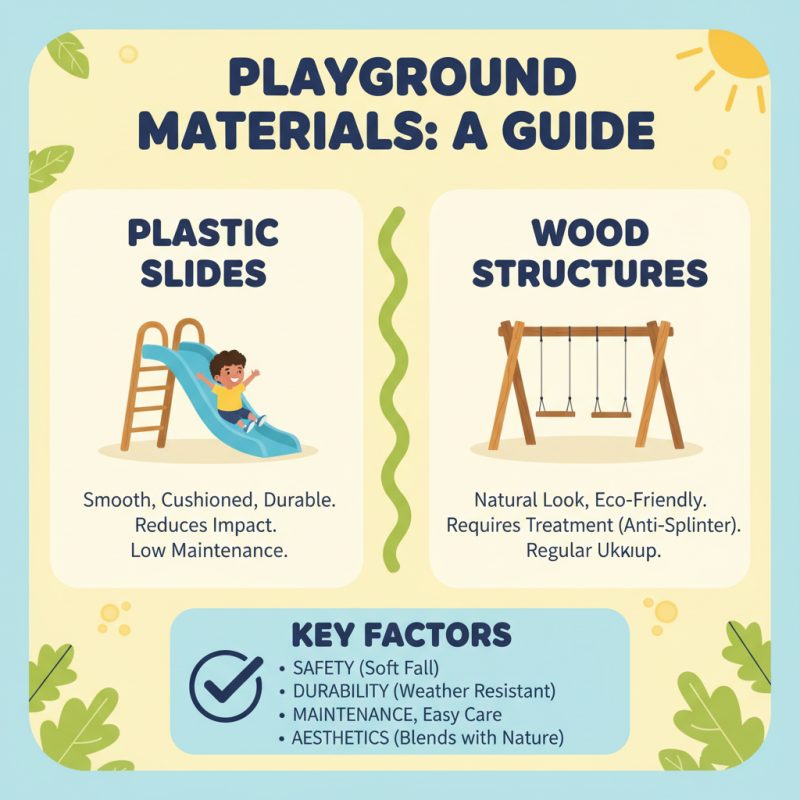
Choosing the right materials for playground equipment is crucial for safety and enjoyment. The materials should be durable, yet soft enough to prevent injuries. For example, plastic slides can offer a smooth ride while providing enough cushioning. Wood is another option that looks natural and can blend well with outdoor settings. However, untreated wood may splinter and require regular maintenance.
Comfort is also key when selecting playground materials. Rubber mats or turf lend a soft surface for kids to land on. They can reduce the impact of falls, making play safer. Additionally, consider the temperature of materials. Metal can become hot in the sun, which may lead to burns on sunny days. Parents should think about the weather conditions in their area when making choices.
Reflecting on these factors can lead to better decisions. Many playgrounds feature high-quality equipment but neglect the flooring. Focusing only on the equipment can overlook essential safety measures underneath. It’s vital to find a balance between aesthetics, comfort, and durability. Each choice should ultimately cater to the well-being of children.
Assessing Space Requirements and Layout for Playground Installation
Choosing the right playground equipment starts with understanding the space you have. It's essential to measure the area carefully, noting both the width and length. Children need room to run and play safely. A cramped space can lead to accidents.
Tip one: create a detailed layout. Draw where each piece of equipment will fit. Consider distances between swings, slides, and climbing structures. This helps prevent collisions. A good layout maximizes fun while ensuring safety.
Tip two: think about the ground surface. Grass can be soft, but it may become muddy. Rubber mats are safer and easier to maintain. Assess your chosen surface and its impact on design. Does it provide enough cushioning?
Tip three: consider visibility for supervision. Parents should easily see children playing. A clear line of sight promotes safety and peace of mind. Keep trees or other obstacles away. As you plan, remember that even the best equipment needs space to shine.
10 Essential Tips for Choosing the Best Playground Equipment for Kids - Assessing Space Requirements and Layout for Playground Installation
| Tip |
Description |
Space Required (sq ft) |
Recommended Age Group |
Safety Features |
| 1. Assess Available Space |
Measure the area for proper fit. |
100 - 200 |
2-12 Years |
Non-slip surfaces |
| 2. Plan for Layout |
Ensure ample space between equipment. |
150 - 300 |
3-10 Years |
Impact-absorbing ground |
| 3. Choose Durable Materials |
Select weather-resistant and sturdy materials. |
Varies |
2-10 Years |
Smooth edges |
| 4. Incorporate Variety |
Mix different types of play equipment. |
200 - 400 |
3-12 Years |
Soft landing areas |
| 5. Prioritize Safety |
Look for equipment with safety certifications. |
100 - 250 |
2-8 Years |
Rounded corners |
| 6. Consult Children |
Gather input from kids to know their preferences. |
Varies |
5-12 Years |
Accessibility features |
| 7. Budget Wisely |
Set a budget that covers installation and maintenance. |
N/A |
2-12 Years |
N/A |
| 8. Ensure Ease of Access |
Make sure the playground is accessible for all kids. |
150 - 300 |
3-12 Years |
Accessible paths |
| 9. Opt for Modular Equipment |
Consider equipment that can be customized or added to. |
200 - 500 |
2-12 Years |
N/A |
| 10. Check Local Regulations |
Confirm compliance with local safety codes. |
N/A |
All Ages |
Compliance certifications |
Incorporating Inclusive Design Features for Different Abilities
Choosing playground equipment with inclusive design is crucial. Many children face challenges. Equipment should cater to various abilities. For instance, consider ramps for wheelchairs. They allow easy access to play structures. Swings with supportive harnesses can help those with balance issues.
Another important feature is sensory play areas. These spaces engage kids with different sensory needs. Textured paths, musical elements, and soft play surfaces can enhance their experience. It's vital to ensure that every child feels welcome and safe. However, not all designs achieve this goal. Some may overlook specific needs. Reflection on these shortcomings is necessary.
Finally, engaging the community in the design process is beneficial. Parents, educators, and specialists can offer valuable insights. They understand what works and what doesn’t. Making the playground truly inclusive requires effort and collaboration. In the end, a well-designed playground benefits everyone.
Playground Equipment Features Analysis