What Is Playground Equipment A Global Buyers Guide?
Buying playground equipment across borders is not simply a matter of comparing prices. It involves safety, climate, accessibility, installation, maintenance, and documentation. A low-cost structure may become expensive when replacement parts, customs delays, or unsuitable surfacing appear.
The U.S. Consumer Product Safety Commission reports approximately 200,000 playground-related injuries treated in emergency departments each year. Its Public Playground Safety Handbook highlights fall height, protective surfacing, entrapment, protruding hardware, and maintenance as critical concerns. These details matter. A metal platform can reach dangerous temperatures under intense sunlight. Poor drainage can leave rubber surfacing cracked and slippery. Missing inspection records can also weaken buyer confidence.
Dr. Joe Frost, a widely recognized playground safety researcher, stated, “Playgrounds are not meant to be risk-free; they are meant to be hazard-free.” This distinction is important for global buyers. Children need challenge, movement, and imaginative play, but equipment should not contain preventable hazards. Buyers should compare relevant standards, including ASTM F1487, CPSC guidance, EN 1176, and CSA Z614. IPEMA certification may also support product verification, although certification does not replace local inspection.
This global buyers guide examines equipment types, materials, safety standards, supplier credibility, installation practices, and lifecycle costs. It also considers accessibility and regional weather conditions. No product is perfect. Some decisions remain uncertain. Still, careful questions can prevent costly mistakes and create safer, more durable play spaces.
Definition and Purpose of Playground Equipment
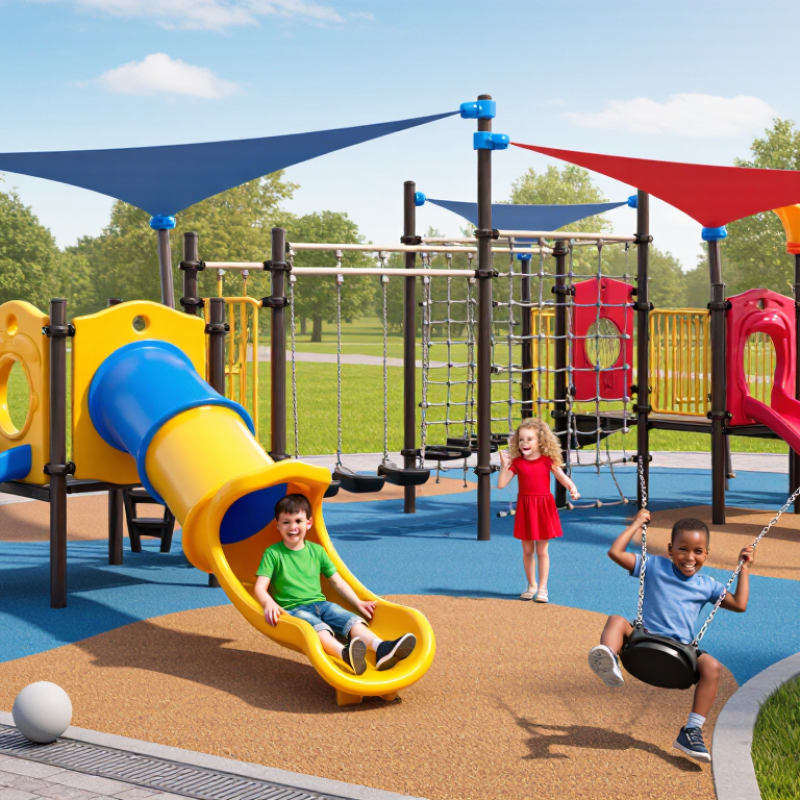
Playground equipment refers to designed structures and activity features that support children’s movement, play, and social development. Common examples include swings, slides, climbing frames, balance beams, tunnels, and sensory panels. Each item should match children’s age, physical ability, and developmental needs.
Its purpose goes beyond entertainment.
Climbing strengthens coordination, while balancing improves body control and confidence. Cooperative features encourage children to communicate, wait, negotiate, and solve small conflicts.
During site planning, professionals assess fall zones, platform heights, handgrip sizes, and surface impact protection. A loose-fill or rubber safety surface can reduce injury severity when children fall. However, the correct surface alone cannot make unsafe equipment acceptable.
Good playground equipment also supports inclusive participation.
Ramps, transfer platforms, ground-level activities, and varied textures can help children with different abilities play nearby. Reliable selection requires checking material durability, drainage, sharp edges, entrapment risks, and maintenance access. Equipment should follow applicable safety standards and local regulations, which may differ between countries and regions.
Real inspections often reveal practical problems that drawings miss. A gate may close poorly, or rainwater may collect beneath a slide. No design is perfect. Regular checks remain necessary, even after professional installation.
In my view, buyers sometimes focus too heavily on bright colors and low prices. Those details matter less than safe proportions, durable construction, clear supervision, and meaningful play value.
Main Types of Playground Equipment and Their Functions
What Is Playground Equipment? A Global Buyer’s Guide
Main Types of Playground Equipment and Their Functions
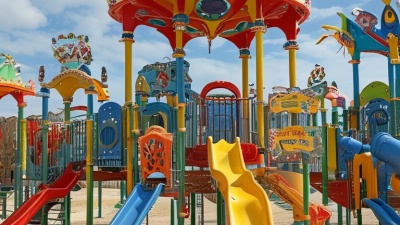
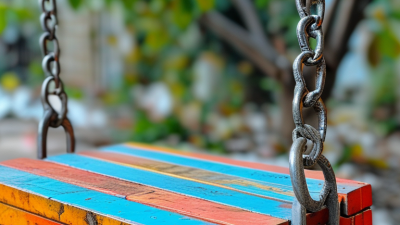
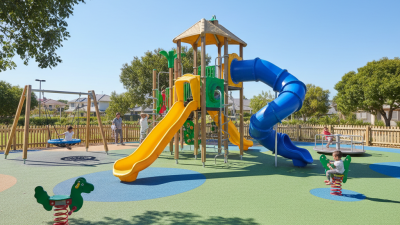
Playground equipment supports movement, social interaction, and age-appropriate risk-taking. Swings develop balance and rhythm through repeated motion. Slides encourage climbing, waiting, and controlled descent. Climbers strengthen grip, coordination, and spatial awareness. A low platform may suit toddlers, while taller structures challenge older children. The right choice depends on age groups, available space, supervision, and local safety requirements.
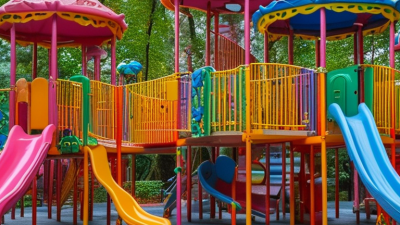
Multi-play units combine several activities in one connected layout. They may include bridges, ladders, tunnels, slides, and imaginative panels. These systems use space efficiently and encourage cooperative play. Seesaws build timing and communication between two users. Spring riders offer simpler movement for younger children. Sensory panels add texture, sound, and visual prompts, supporting children with different learning needs.
Safety surfacing is not decorative. It helps reduce injury severity beneath fall zones. Buyers should check impact performance, drainage, durability, and maintenance access. Materials may include engineered wood fiber, rubber tiles, or poured surfaces. Each option has limits. A soft surface can still fail when poorly installed or neglected. In practical site reviews, loose fasteners, worn edges, and blocked drainage appear more often than expected. A bright design is valuable, but function should guide every decision.
Safety Standards, Materials, and Inclusive Design
Playground equipment is more than slides, swings, and climbing frames. A responsible design begins with safety standards suited to the installation site. Buyers should request documented testing for fall impact, structural strength, spacing, entrapment risks, and surface stability. Requirements vary by country, so local authorities and qualified inspectors should review the plan before installation.
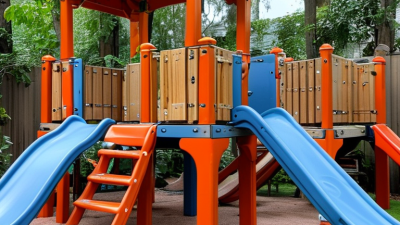
Materials affect safety long after construction ends. Powder-coated steel can resist corrosion, while stainless steel suits humid or coastal environments. Recycled plastic may reduce maintenance, but its heat retention needs careful testing in sunny climates. Timber can feel natural and welcoming, yet it requires regular checks for splinters, cracks, moisture, and loose fasteners.
Every material needs drainage, rounded edges, and a finish that remains safe after years of use. Small details matter.
Inclusive design should not be treated as an optional feature.
Ramps, transfer platforms, wide pathways, ground-level activities, and varied handrail heights can support children with different abilities. Quiet sensory panels may help children who avoid loud, crowded spaces. Shade, firm surfacing, and nearby caregiver seating also improve real-world access. In practice, one solution rarely serves everyone perfectly. A site may meet technical requirements and still feel difficult for a child using mobility equipment. Buyers should observe children using the space, record maintenance findings, and revise future designs instead of assuming compliance means inclusion.
How to Select Playground Equipment for Different Settings
Selecting playground equipment starts with the setting, not the catalogue. A compact urban site needs vertical movement, clear sightlines, and strong noise control. A schoolyard can support cooperative games, climbing, and equipment for different age groups. Public parks usually need durable materials, inclusive access, and simple maintenance routines.
Safety is a practical priority. The U.S. Consumer Product Safety Commission reports about 200,000 playground injuries receive emergency treatment annually. That figure makes supervision and impact protection practical priorities, not paperwork.
For each site, measure usable space, shade, drainage, pedestrian flow, and the fall zones around every structure. CPSC guidance and ASTM F1487 recommend checking layout, entrapment risks, guardrails, and protective surfacing. European projects commonly refer to EN 1176 and EN 1177. These standards are not interchangeable automatically. Local authorities may require additional inspection records.
Planning checks
Measure usable space, shade, drainage, pedestrian flow, and the fall zones around every structure.
Standards and materials
Specify engineered wood fiber, rubber surfacing, or another tested system according to fall height and climate.
Wet climates expose weak drainage quickly.
Design for Different Age Groups
Toddlers
Low platforms, short slides, handrails, and gentle transitions.
Older children
Climbing challenges and varied movement patterns.
The World Health Organization’s Global Status Report on Physical Activity 2022 states that 81% of adolescents are insufficiently active. Equipment should invite repeated movement, not just provide a bright photo opportunity.
Planning lesson: I once underestimated how quickly a busy entrance could create collisions. That mistake changed my planning process. Leave more circulation space than the drawing seems to require. Measure twice. Review maintenance access monthly.
Global Purchasing, Installation, and Maintenance Considerations
What Is Playground Equipment? A Global Buyers Guide
Global purchasing begins with the site, not the catalogue. The WHO Global Status Report on Physical Activity 2022 reports that 31% of adults and 80% of adolescents are insufficiently active. Safe playgrounds can support daily movement, but only when equipment matches local users, climate, and space.
Buyers should verify age ranges, load ratings, spare-part access, corrosion resistance, and language requirements before signing a purchase order. A low price can become expensive after shipping, customs, and replacement delays.
Installation needs equal attention. The CPSC Public Playground Safety Handbook reports about 200,000 annual emergency-department-treated playground injuries in the United States, with falls forming the largest share. Impact-attenuating surfacing should meet applicable requirements, such as ASTM F1292 or EN 1177, according to the project location. Drainage matters too. A rubber surface may look finished, yet poor sub-base preparation can create standing water and hidden movement. Local installers should follow the equipment supplier’s instructions and independent inspection requirements.
Maintenance should be planned before opening day. EN 1176-7 guidance supports routine, operational, and annual inspections, while records should track loose fasteners, sharp edges, fading, rust, and surfacing depth.
I recommend photographing high-wear zones after rain and heavy use. That small habit often reveals problems earlier. No purchasing plan is perfect. Even experienced teams can underestimate heat, sand, vandalism, or replacement time.
Leaving a practical spare-parts budget is wiser than assuming every component will last equally.